
Detecting Grinding Burn: How to Use Sound to Identify Dulling Sanding Belts
Preventing grinding burn 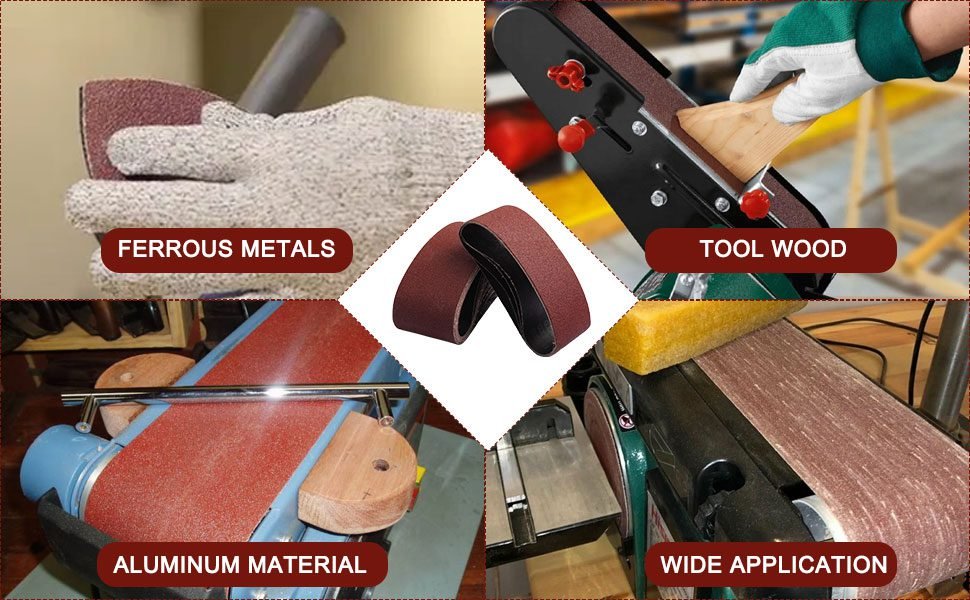 is critical for maintaining the structural integrity of high-precision metal components. While visual inspections are standard, experienced operators know that acoustic monitoring—listening to the frequency of the grind—is the fastest way to identify the critical point when an abrasive belt has dulled and must be replaced before causing thermal damage.
In industrial production, waiting for visual discoloration (oxidation) is often too late—the metallurgical damage has already occurred. This guide explains the physics of “grind sound” and provides a professional checklist for preventing grinding burn through auditory cues.
The Science of Sound in Detecting and Preventing Grinding Burn
As abrasive grains dull, the physics of the interface changes from “cutting” to “plowing.” This transition creates a distinct shift in acoustic emissions that signals imminent grinding burn:
- 1. The “Crisp” High-Frequency (Sharp Belt): A fresh, sharp belt produces a high-pitched, consistent “hissing” or “shirring” sound. This indicates the grains are cleanly shearing the metal chips, generating minimal frictional heat.
- 2. The “Deep Growl” (Critical Dulling): According to research by the Abrasive Engineering Society (AES), as grains wear down (attritious wear), the contact area increases. The sound shifts to a lower-frequency “hum” or “growl,” signaling that the belt is now rubbing rather than cutting.
- 3. The “Screech” or Harmonic Vibration: This is the final warning. When the belt “glazes” over, it creates erratic harmonic vibrations. This indicates that interface temperatures have likely exceeded 700°C, causing immediate metallurgical burning.
Industry Technical Data Reference
Data from Norton (Saint-Gobain) Abrasives indicates that dull belts can increase grinding energy consumption by up to 40%, with nearly all that excess energy converted directly into heat.
- The Burn Threshold: In hardened steels, grinding burn can occur in less than 0.1 seconds of contact once the belt has lost 30% of its initial cutting height.
- Data Source: Norton Abrasives: Technical Guide to Metal Grinding Burn
Actionable Solutions: How to Stop Grinding Burn Before It Starts
Scenario A: Batch Processing of Hardened Alloy Steel
The Symptom: The grinding sound stays consistent for 50 parts, then suddenly deepens on the 51st.
Solutions:
- Implement an “Acoustic Baseline”: Train operators to recognize the “cutting pitch.” If the pitch drops by an octave, replace the belt immediately, even if no discoloration is visible.
- Use Grinding Aids: Switch to belts with a Top-size (Grinding Aid). These chemical coatings melt under pressure, providing cooling and lubrication that chemically prevents grinding burn.
Scenario B: “Glazing” Issues in Stainless Steel Grinding
The Symptom: The belt looks new but sounds like it is sliding rather than biting.
Solutions:
- Pressure Calibration: Increase the feed pressure slightly to “break” the dulled grains and expose new sharp edges (self-sharpening).
- Dress the Belt: Use a silicon carbide dressing stick to remove the “glazed” metal residue that is muting the cutting sound.
FAQ: Managing Grinding Burn and Belt Life
Q1: Does a louder sound always mean the belt is dull?
A: No. A “loud” crisp sound can mean efficient cutting. It is the pitch and vibration (from high-pitch hiss to low-pitch rumble) that accurately signals grinding burn risks.
Q2: Can coolants mask the sound of a dull belt?
A: Yes. Liquid coolants dampen acoustic emissions. In wet grinding, operators should monitor the spindle load meter (Amperage) alongside sound. A spike in Amps combined with a muffled sound is a red flag.
Q3: What is the most burn-resistant grain type?
A: Ceramic Alumina grains are the best for preventing grinding burn because they micro-fracture to stay sharp, maintaining a high-frequency cutting sound longer than Aluminum Oxide.
Formal Industry References & Compliance
This diagnosis follows established global abrasive safety and engineering standards:
- AES (Abrasive Engineering Society): Standards for Abrasive Tool Performance.
- FEPA: Technical Documentation on Thermal Damage in Surface Grinding. fepa-abrasives.org
- ANSI B7.1: Safety Requirements for the Use of Coated Abrasives.