
Static Buildup in Sanding: How to Eliminate Electrostatic Discharge via Grounding
Static buildup in sanding is caused by triboelectric charging between non-conductive materials (wood/plastic) and abrasive belts. Effective elimination requires conductive grounding paths, ionizing bars, and antistatic (AS) abrasives to prevent dust explosions and improve finish quality
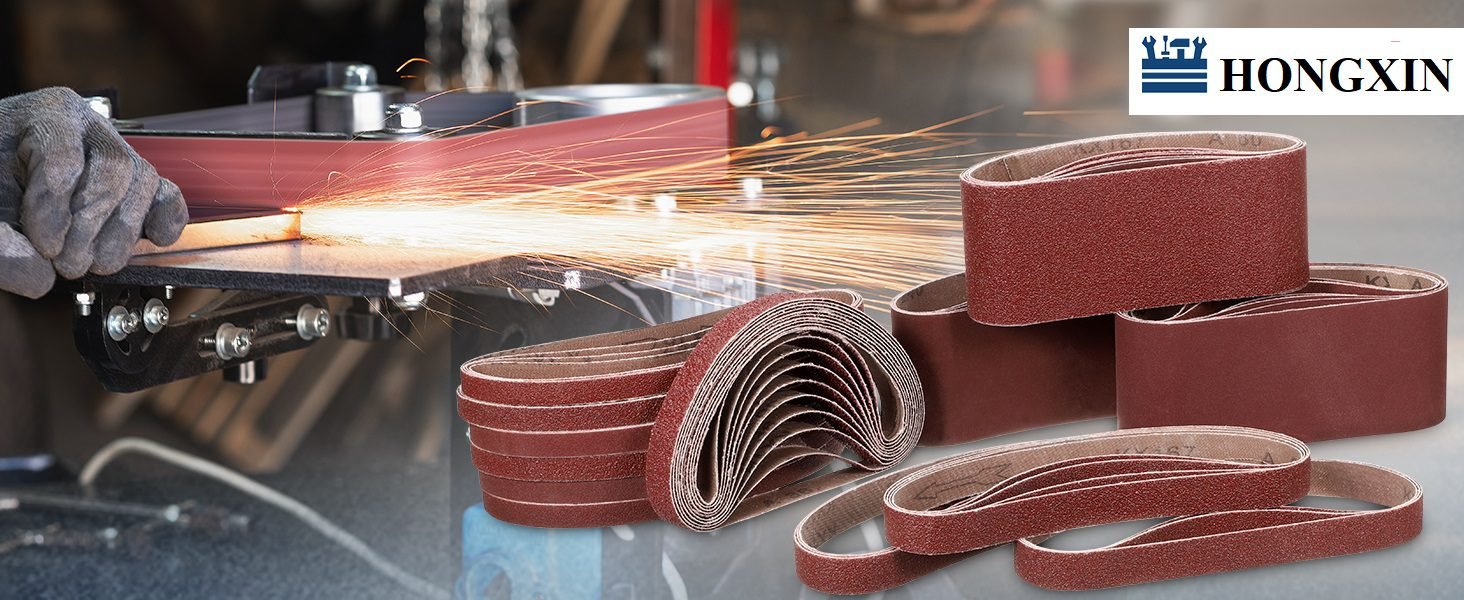
In wood and plastic fabrication, static buildup in sanding is more than a nuisance—it is a significant fire hazard and a leading cause of dust collection explosions. This technical guide explains the physics of triboelectric charging in non-conductive materials and provides a roadmap for total electrostatic discharge (ESD) elimination through proper grounding and abrasive selection, helping industrial shops maintain safety and efficiency.
When an abrasive belt rubs against wood or plastic at high SFPM (Surface Feet Per Minute), electrons are stripped from the surface, creating massive static buildup. Without a dedicated discharge path, this potential can reach 20,000+ volts, leading to erratic tracking, dust “clumping,” poor surface finish, and dangerous sparking—risks that no professional workshop can afford.
The Physics of Static Buildup in Wood and Plastic Sanding
Electrostatic charges accumulate when two dissimilar materials rub together—a process known as Triboelectric Charging. In industrial sanding, this is exacerbated by the non-conductive nature of the workpieces, making static buildup in sanding a common yet critical issue to address:
- 1. Frictional Ionization: As the belt moves, it generates a charge on both the abrasive backing and the dust particles. In wood sanding, dry dust acts as a perfect insulator, holding the charge and amplifying static buildup.
- 2. The Capacitor Effect: According to the NFPA (National Fire Protection Association), the sander’s metal frame can act as a giant capacitor, storing energy until it finds a path to ground—often through the operator or a localized spark, which poses severe safety risks in environments with combustible dust.
- 3. Dust Adhesion: Static causes fine dust (FM < 100 microns) to “weld” to the belt and workpiece, leading to premature loading, reduced abrasive life, and poor surface finish—costly issues for production shops relying on consistent sanding results.
Industry Technical Data Reference
Research by WorkSafeBC and the NFPA 664 Standard confirms that static sparks are a primary ignition source in wood processing dust collection systems—underscoring the urgency of addressing static buildup in sanding.
- Voltage Threshold: Static potentials in plastic sanding can exceed 30kV, while the minimum ignition energy (MIE) for fine wood dust is as low as 20-50 mJ—creating a high-risk environment if electrostatic discharge (ESD) is not managed.
- Data Source: NFPA 664: Standard for the Prevention of Fires and Explosions in Wood Processing
Solutions: How to Eliminate Static Buildup in Sanding via Proper Grounding
Scenario A: Wide Belt Sanders in Furniture Production
The Problem: Dust sticks to the conveyor bed and the belt “chatters” due to static interference with sensors, slowing production and compromising quality—common consequences of unmanaged static buildup in sanding.
Actionable Solutions:
- Redundant Grounding Paths: Ensure the machine frame is grounded with a minimum 12 AWG copper wire to a dedicated earth ground. Do not rely on the electrical conduit for ESD protection—this is critical for safely dissipating static buildup.
- Conductive Graphite Pads: Use graphite-impregnated platens. Graphite is a natural conductor that bleeds off static buildup from the back of the belt as it passes over the platen, reducing dust adhesion and improving belt performance.
Scenario B: Acrylic and Plastic CNC Sanding
The Problem: Plastic chips “fly” back at the operator and cling to the acrylic surface, causing scratches and creating a safety hazard—issues intensified by static buildup in non-conductive material sanding.
Actionable Solutions:
- Ionizing Air Bars: Install an anti-static ionizing bar at the belt’s exit point. These bars flood the area with positive and negative ions to neutralize the surface charge instantly, eliminating static buildup and chip adhesion.
- Antistatic Abrasive Belts: Switch to belts with Antistatic (AS) treatments. These belts feature a conductive top-coat or carbon-infused backing that prevents the initial accumulation of electrons, reducing electrostatic discharge (ESD) risks and extending belt life.
FAQ: Managing Static Buildup in Industrial Sanding
Q1: Is a standard vacuum hose enough to ground a sander?
A: No. Standard plastic PVC hoses are insulators and actually increase static buildup in sanding. Always use wire-reinforced, conductive hoses that are physically clamped to the machine’s ground lug to ensure a reliable discharge path.
Q2: Why is static worse in winter?
A: Low humidity (below 40%) makes the air less conductive, preventing the natural leakage of ions. Maintaining a factory humidity level of 45-55% is a passive way to reduce static buildup in sanding and minimize ESD risks.
Q3: How do I test if my grounding is working?
A: Use a Static Meter to measure the kVs on the belt while running. If the voltage drops to near zero when the grounding wire is attached, your system is effective at dissipating static buildup and preventing electrostatic discharge.
Formal Industry References & Compliance
This safety guide follows established global industrial safety standards to help shops address static buildup in sanding and ensure compliance:
- NFPA 77: Recommended Practice on Static Electricity.
- FEPA: Technical Guidelines for Antistatic Abrasive Materials. fepa-abrasives.org
- OSHA: Guidelines for Combustible Dust Hazards in Woodworking.